"CEO Said A Thing!" Journalism
"CEO said a thing!" journalism involves parroting the claims of a business leader or executive with absolutely no context, correction, or challenge whatsoever, no matter how elaborate the delusion.


Even before our dim authoritarian overlords came to town, the U.S. press generally existed to prop up the interests of corporate power and the extraction class. This used to be a subject of some debate whenever academics brought it up, but at some point any pretense of subtlety evaporated.
While there's still certainly good reporting peppered in the morass, consolidated U.S. media generally now functions as a direct appendage of our business interests, punching down against progressive reforms, hyper-mythologizing the rich, and operating as a glorified extension of product marketing.
I think it's been so broadly normalized over decades, many folks that still have jobs in the U.S. journalism industry don't even often notice they're doing it.
There's no better example of this than what I affectionately refer to as "CEO said a thing!" journalism. "CEO said a thing!" journalism involves parroting the claims of a business leader or executive with absolutely no context, correction, or challenge whatsoever, no matter how elaborate the delusion.
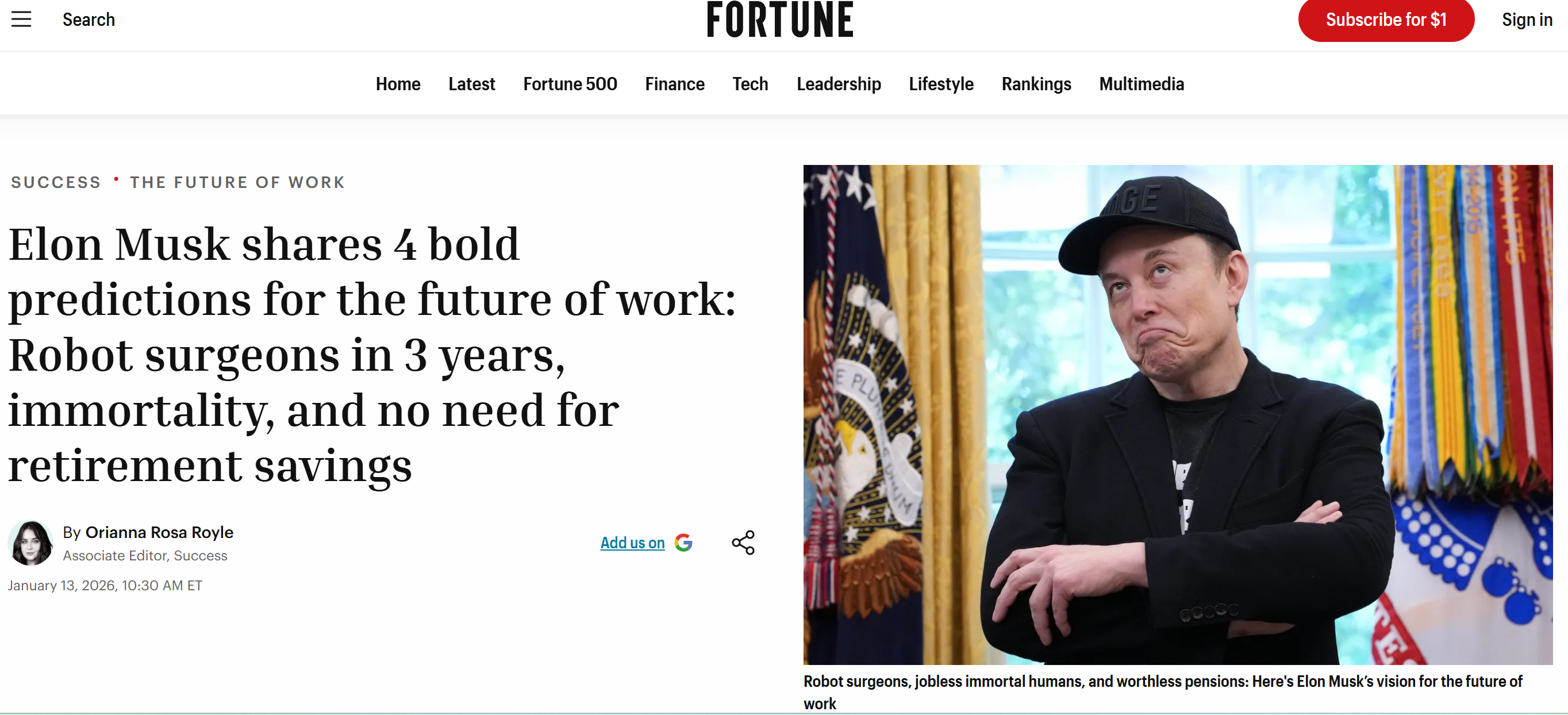
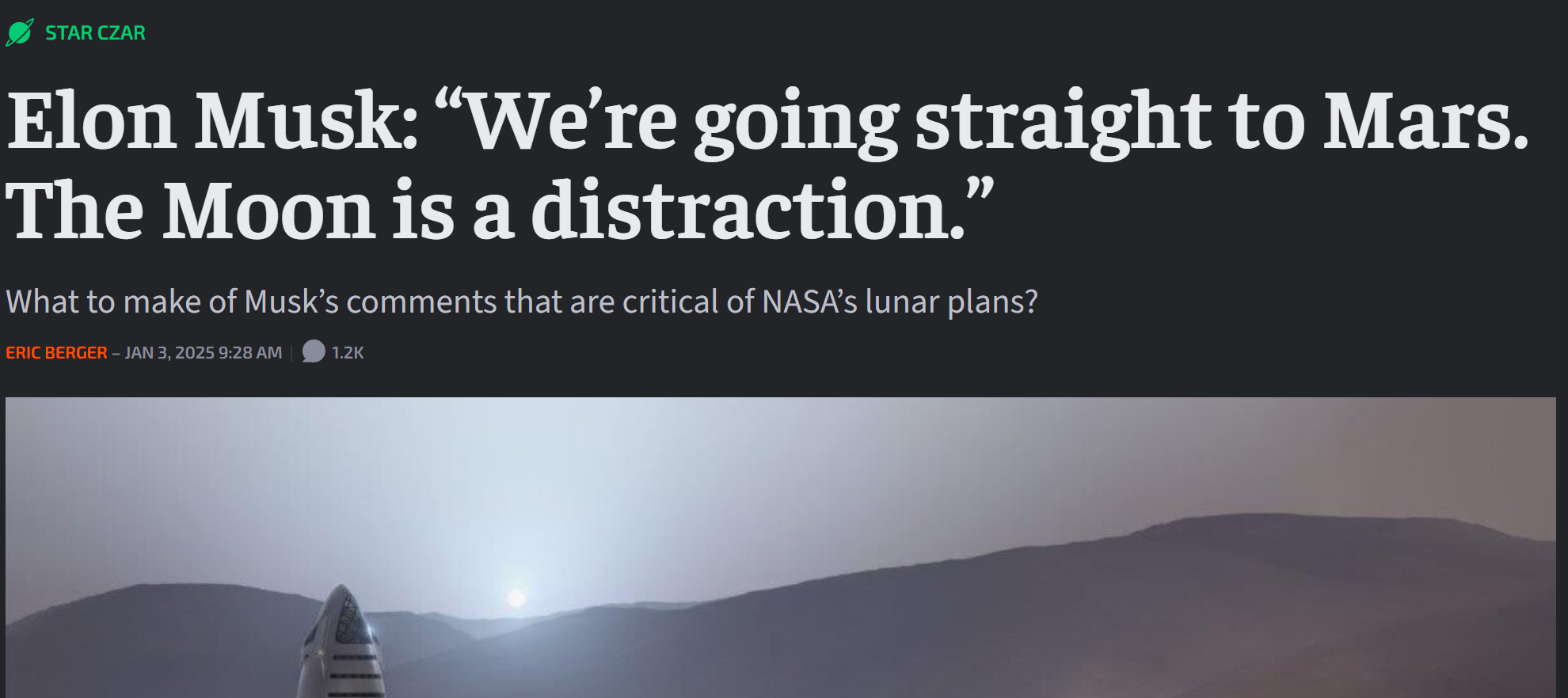
Once you start to notice it, you'll notice it's everywhere, though the press certainly has their favorite beneficiaries. Like the unremarkable white supremacist Elon Musk:
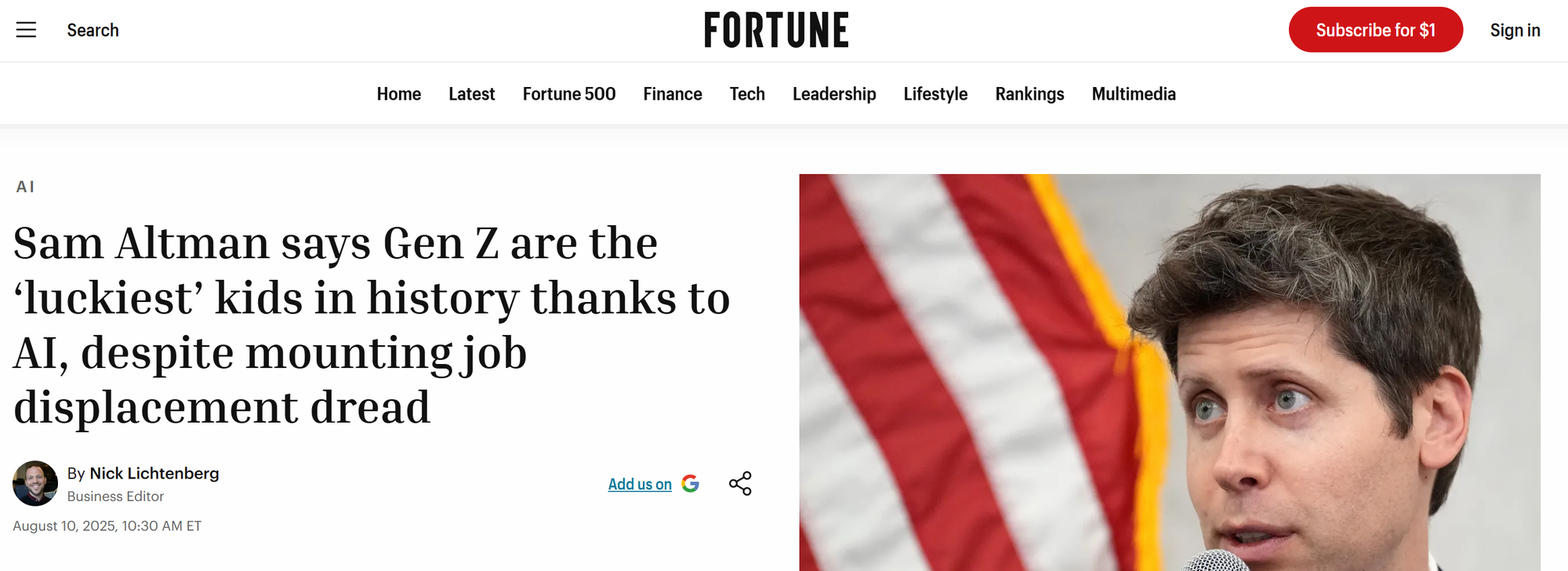
The opportunistic and unethical Sam Altman has also truly enjoyed its benefits the last few years:

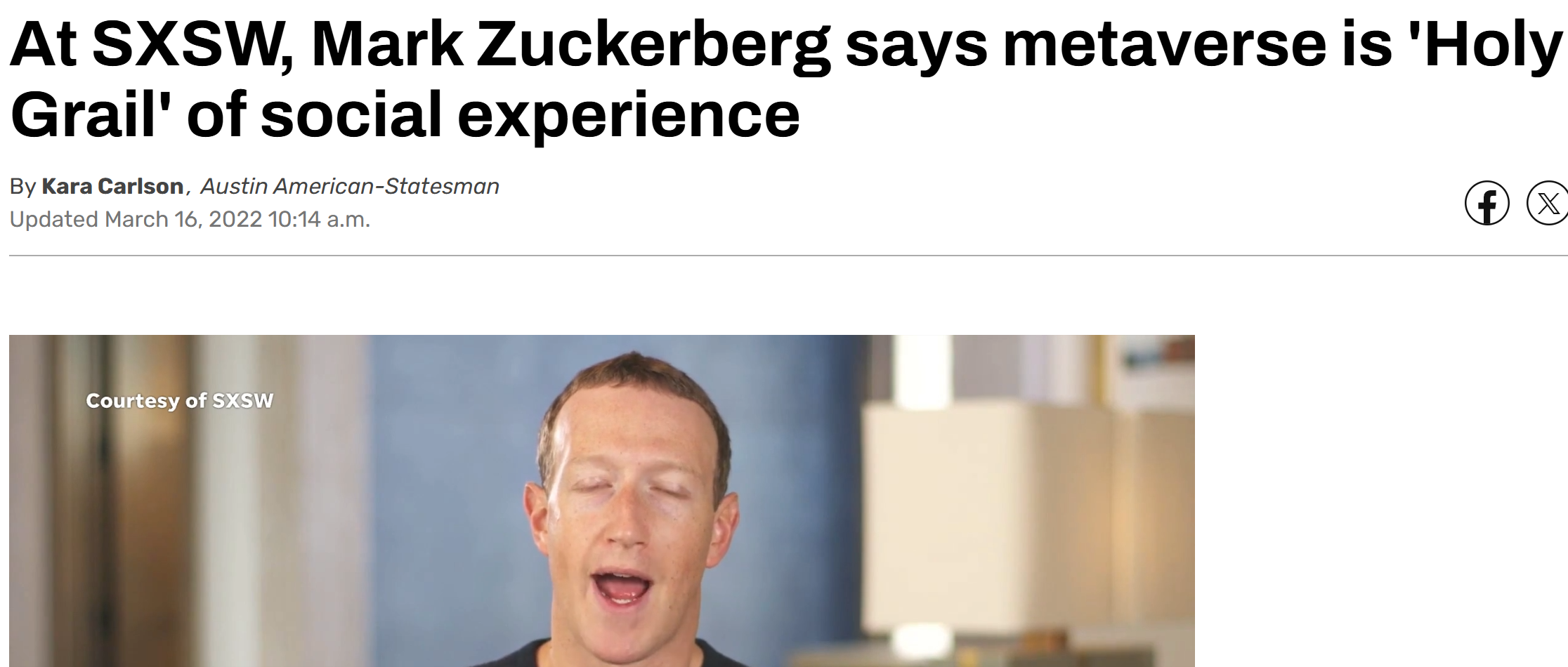
As has the innovatively challenged and charismaless Mark Zuckerberg, whose press coverage is routinely indistinguishable from an advertorial:
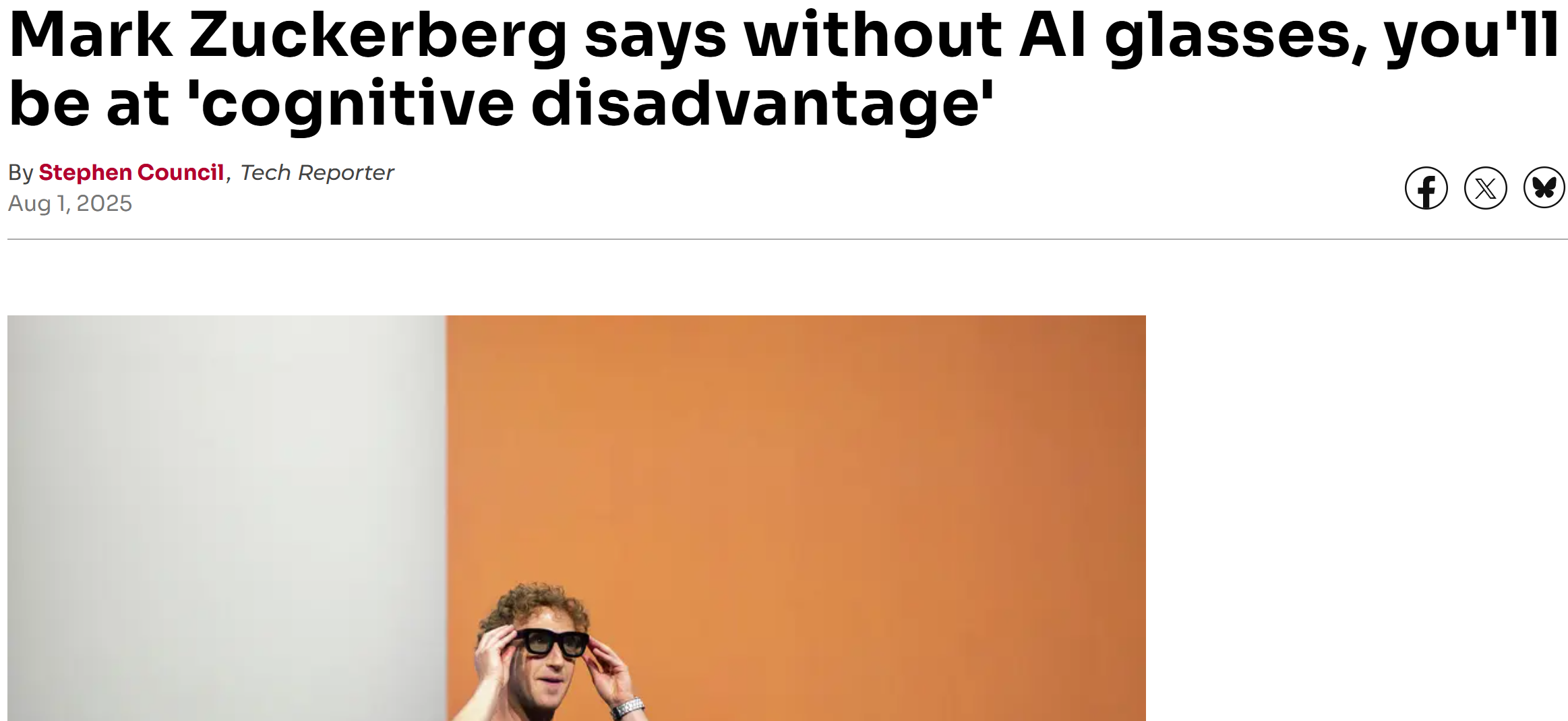
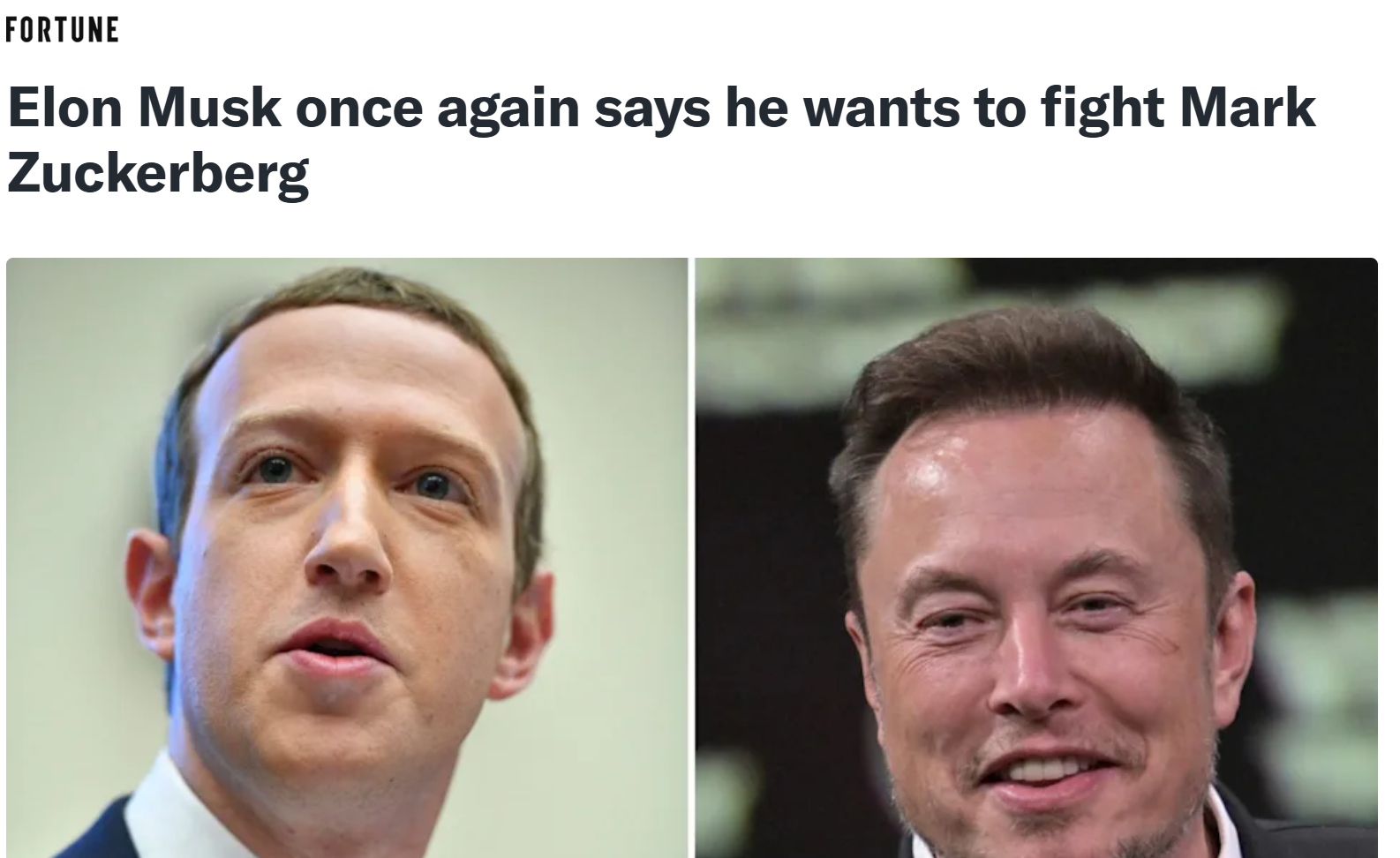
Sometimes it's a combo, and you'll get to enjoy entire news cycles about several CEOs saying things that aren't true or useful to anyone simultaneously:
Sometimes it's more generalized, such as when Epic Games CEO Tim Sweeney (falsely) said a handful of people will soon be able to use AI to generate games of the same quality and scope as Nintendo's Breath of the Wild:

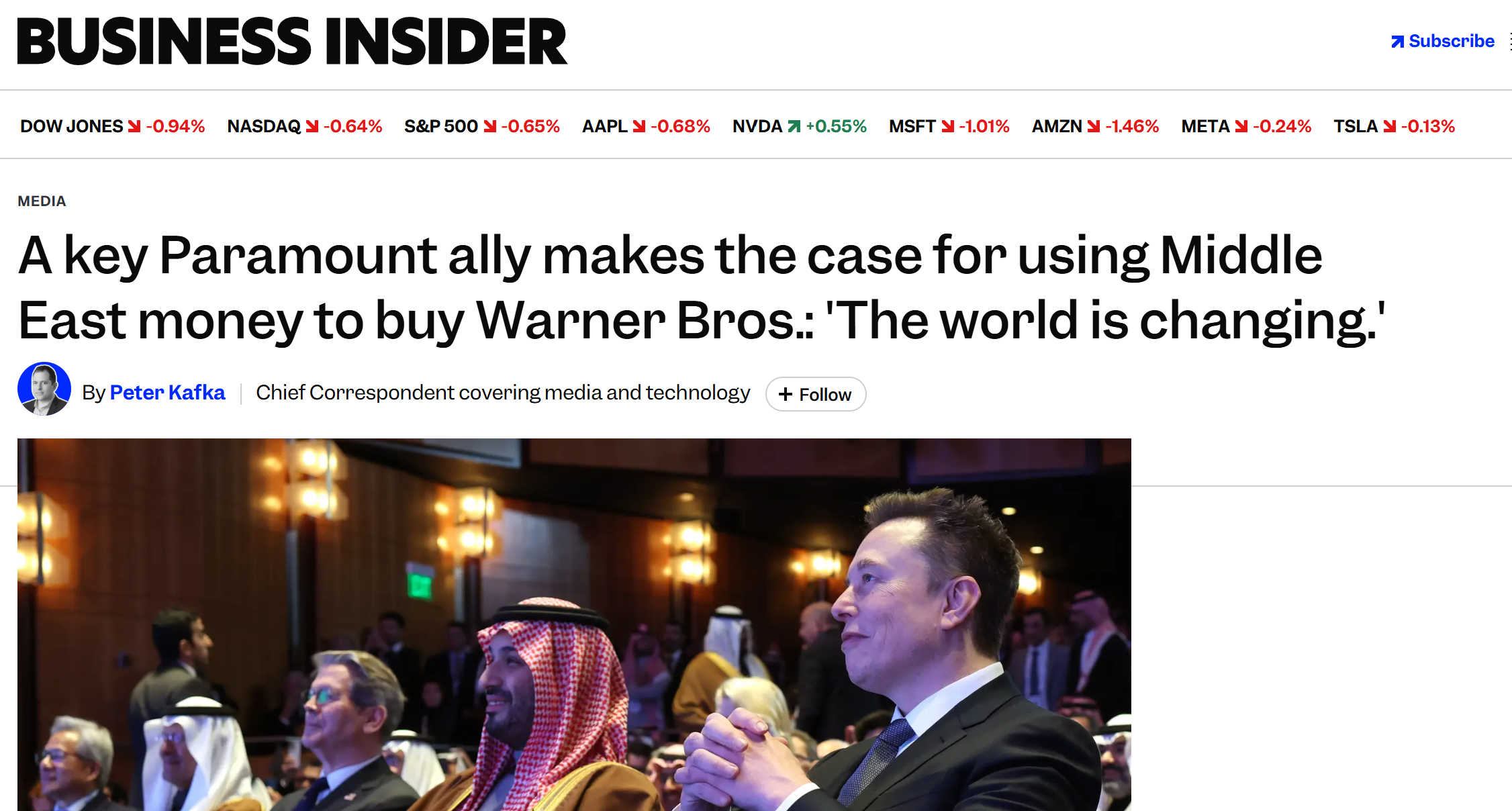
Often "CEO said a thing!" journalism intrudes on the intersection of business, tech, media, and politics, like when private equity overlord Gerry Cardinale recently insisted it would be a good thing if Saudi money helps U.S. far right wing oligarchs (who incidentally hate Democracy) buy up the entirety of U.S. media:
There are some outlets that are obviously worse than others (Business Insider, Fortune, Forbes), but you'll find it's generally a very broad scourge across journalism; especially tech and business journalism. Here, for example, is a whole bunch of outlets parroting Musk's recent claim he'd help pay TSA agent salaries:
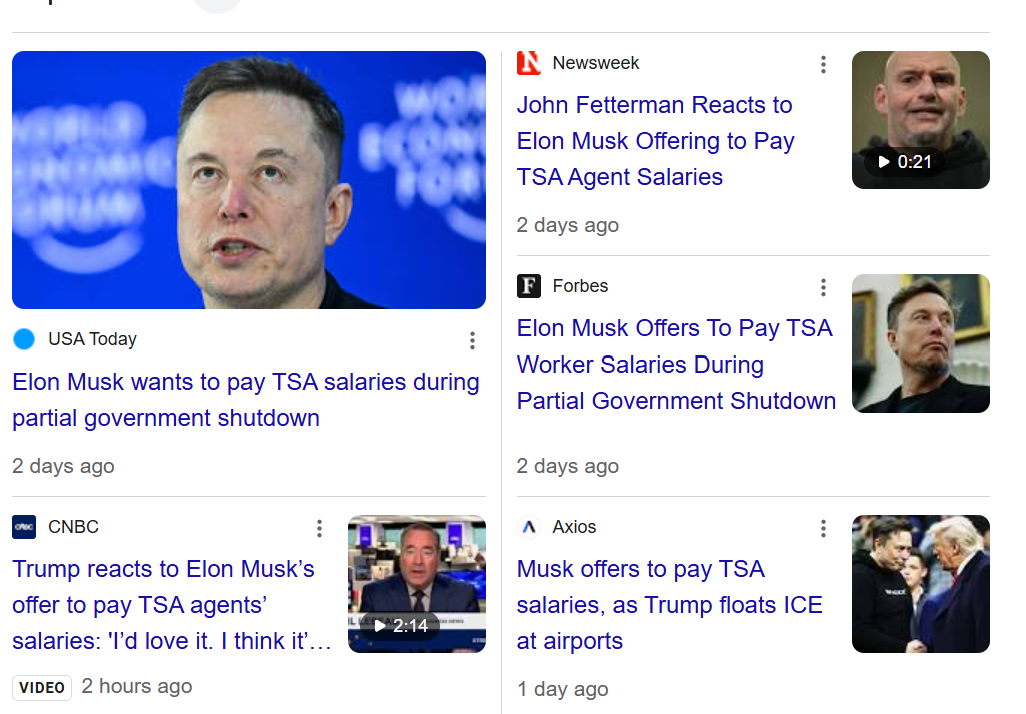
None of these outlets could be bothered to even mention Musk's extensive history of erratic behavior or making false promises, like the time he falsely claimed he'd ship hospitals ventilators during peak COVID, the time he claimed he'd single-handedly fixed Flint, Michigan's water supply, or more recently when he claimed he'd cut $2 trillion in wasteful government spending.
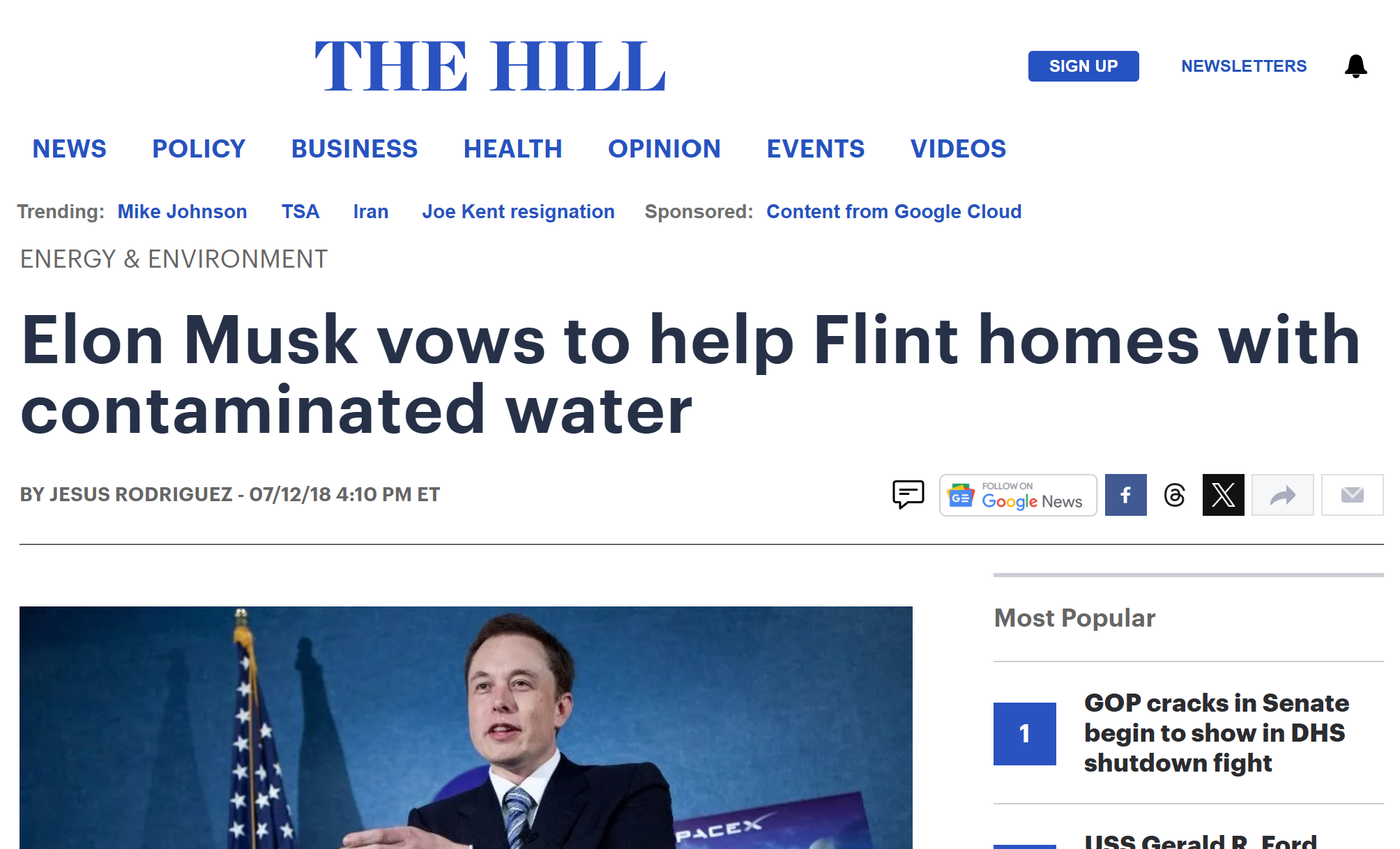
Let's set down some ground rules.
There are, in my mind, a few rules for "CEO said a thing!" journalism if it's to qualify:
- You can never directly challenge anything the CEO said, even if the CEO has a long history of false or misleading promises and claims.
- You can never include any useful historical context about the company or executives' past statements, even if they've been proven repeatedly wrong. The CEO's comments should always exist in a magic vacuum.
- You should never, under any circumstances, actually take the time to talk to, and quote, an objective expert or academic in the field you're writing about, especially if they're inclined to criticize the CEO. This can slow down publication time and impact the quest for news-cycle ad traffic.
- You can never return back to the claims to inform your readership whether they were actually true (this is especially true of CEO promises made before giant, pointless, disastrous mergers).
When I entered the journalism industry sideways as a telecom beat reporter, I quickly noticed that most U.S. journalism – especially U.S. business journalism – wasn't particularly interested in context or the truth.
I'd look around and read mainstream coverage of the broadband giants I wrote about, noticing they didn't mention these were lumbering, anti-competitive, unethical monopolies coddled and created by corruption. I thought it was weird, but young and insecure, I thought maybe the problem was somehow me.
But as I got older it became very clear to me that most of these outlets really weren't interested in conveying factual reality to readers. They were interested in building an elaborate alternate reality with one central function: coddle unchecked wealth accumulation with a vast scaffolding of strange mythologies.
The grand irony is I'm not even sure most people click on or read this sort of stuff. I don't think it's often even created to be read by anyone. I think it's created as a sort of swaddling fan fiction for MBAs, advertisers, event sponsors and sources, so they can tune out ethical quibbles and feel good about how clever they are.
The result is a sort of alternative reality journalistic simulacrum that kind of looks like journalism, but genuinely isn't interested in any context or truth that upsets the apple cart. It's a sort of journalistic Ken Doll with the genitals sanded off to a smooth hump to avoid offending anyone.
This lazy simulacrum tends to be a death knell for genuine public interest reporting, resulting in a press that broadly normalizes (or just outright ignores) rampant corruption and real world impact.
This is generally all propped up by a club of brunchlords and trust fund nepobabies who'll insist this isn't happening and treat you like a conspiratorial weirdo if you suggest otherwise. Folks who'll breathlessly proclaim there are firewalls between ownership interests and editorial that prevent this sort of thing from happening.
These are folks heavily conditioned to normalize or downplay the problem as a condition of continued employment in a consolidated, ad-based media being lobotomized by U.S. billionaires and rampant layoffs.
This was all a problem before U.S. authoritarianism came to town. But it's arguably worse now; and as our kakistocracy has deftly demonstrated, it's something that's eminently and repeatedly exploitable by the country's richest and least ethical assholes in a hundred different ways.
I'd end with some noble call for the U.S. media industry to do better, but it's abundantly clear they don't want to.