The Problem Is Right Wing Extremism, Not 'Polarization'
Ambiguous media whining about "polarization" or "partisan tribalism" redirects attention away from the real cause of modern U.S. division: violent right wing extremism.


A common refrain you'll see splattered across the soggy-ass U.S. press is that the real problem in modern America is that we're increasingly "polarized." That we're suffering from an escalation of "partisan tribalism" of unknown origin.
This ambiguous lament generally pops up among two subsets of people: folks who don't really understand politics or the unique threat of fascism; and folks that don't want to be particularly honest about the real cause of U.S. discord because it might imperil their opportunity to make as much money as possible.
This latter sect is well represented across the entirety of U.S. corporate media, from timidly "apolitical" musicians like Ed Sheeran, to the U.S. mainstream press, which loves to seed the narrative that unprecedented levels of U.S. division are a naturally-occurring phenomenon our top sleuths simply can't identify the cause of:
whoops I done got polarized
Most of these outlets are unwilling to acknowledge that the primary cause of U.S. discord is right wing extremism, fascism, corruption, wealth inequality, bigotry, and intentionally-divisive propaganda, and that the overwhelming-majority of this agitprop and political violence originates with right wing extremism.
These polarization sleuths are also curiously incapable of acknowledging that there's an elaborate (and ever-growing) right wing information ecosystem custom built to divide, troll, and upset the electorate with manufactured culture-war grievance bullshit. A system built – often in direct collaboration with corporate power – to misdirect public anger away from the extraction class and toward one another and the most vulnerable.
A fun test: pluck literally any story from your feed on political views, polling, or "polarization," and see if you can find a single one that notes the average U.S. information diet is full of right wing propaganda (Fox News, Sinclair Broadcasting) filling the public's heads with pebbles, disinformation, and hate.
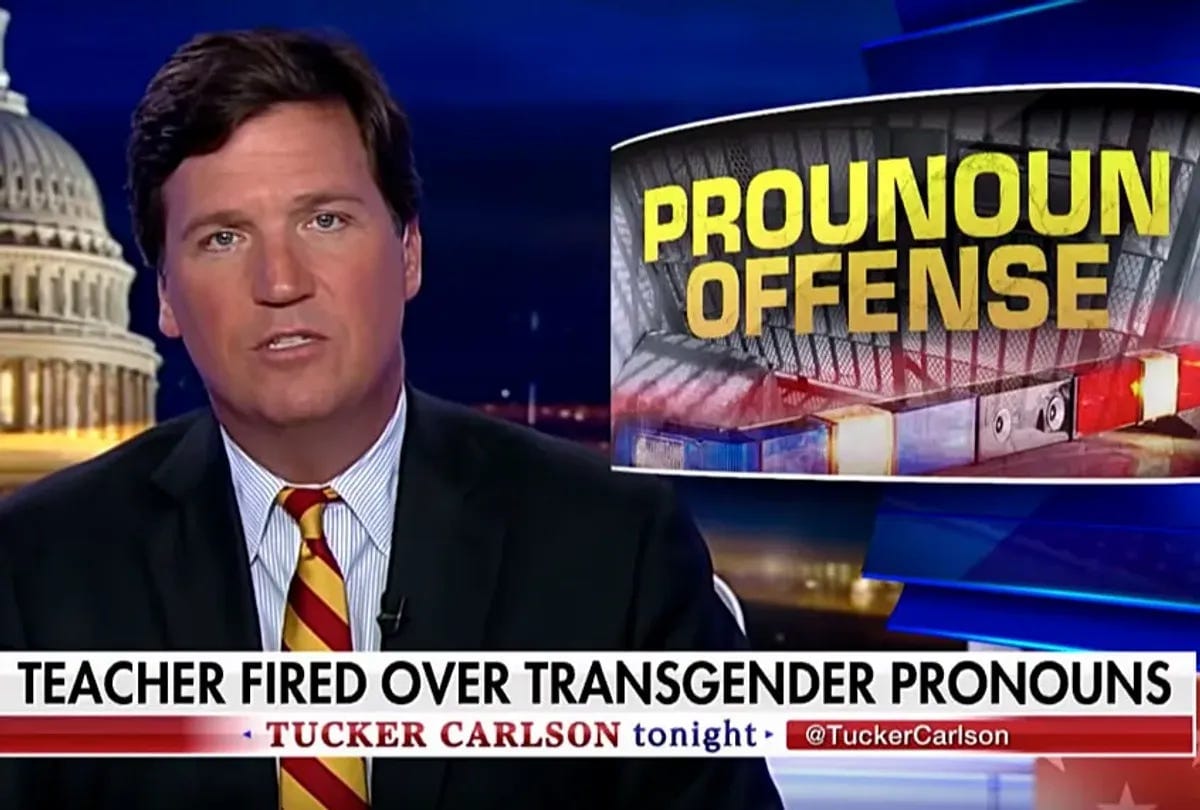

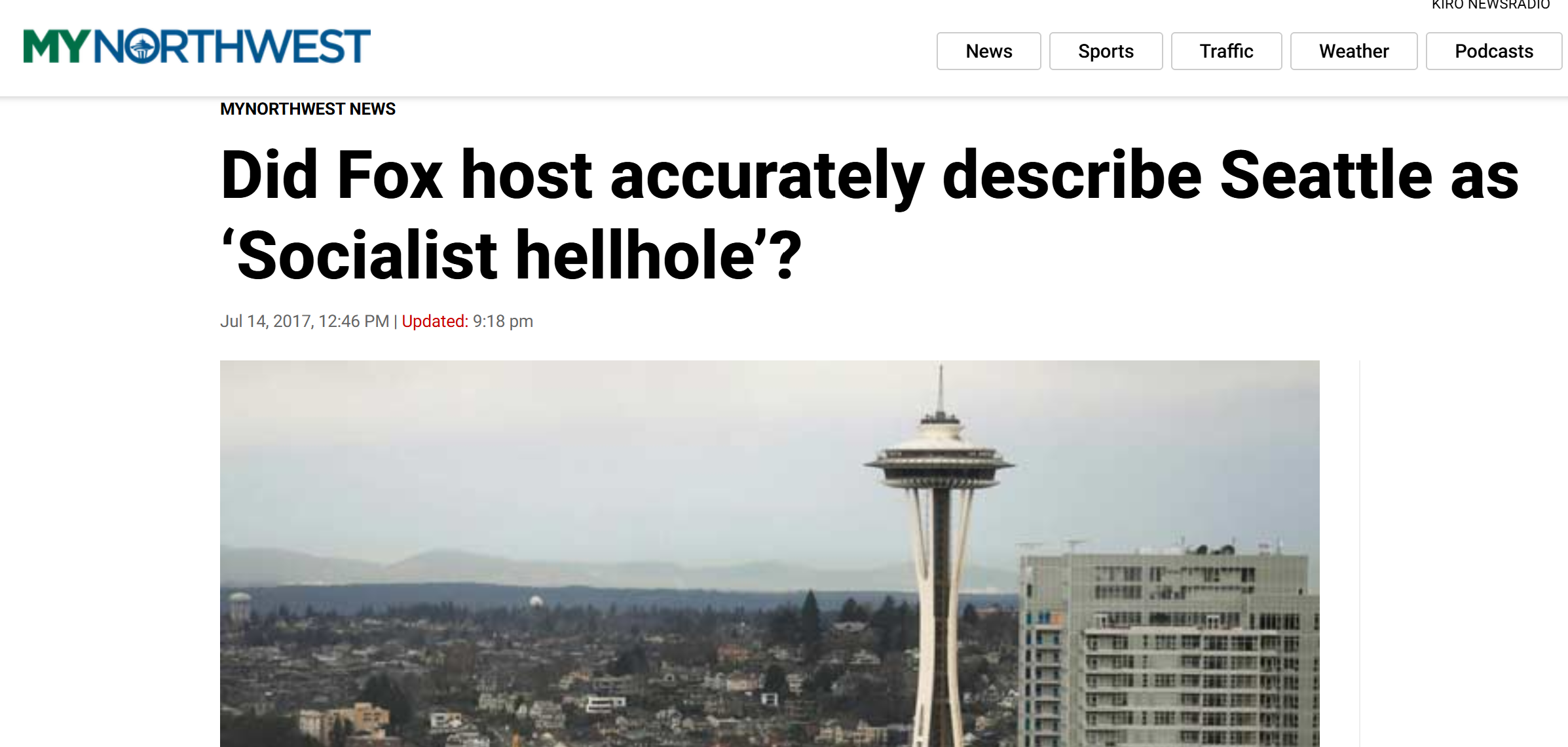
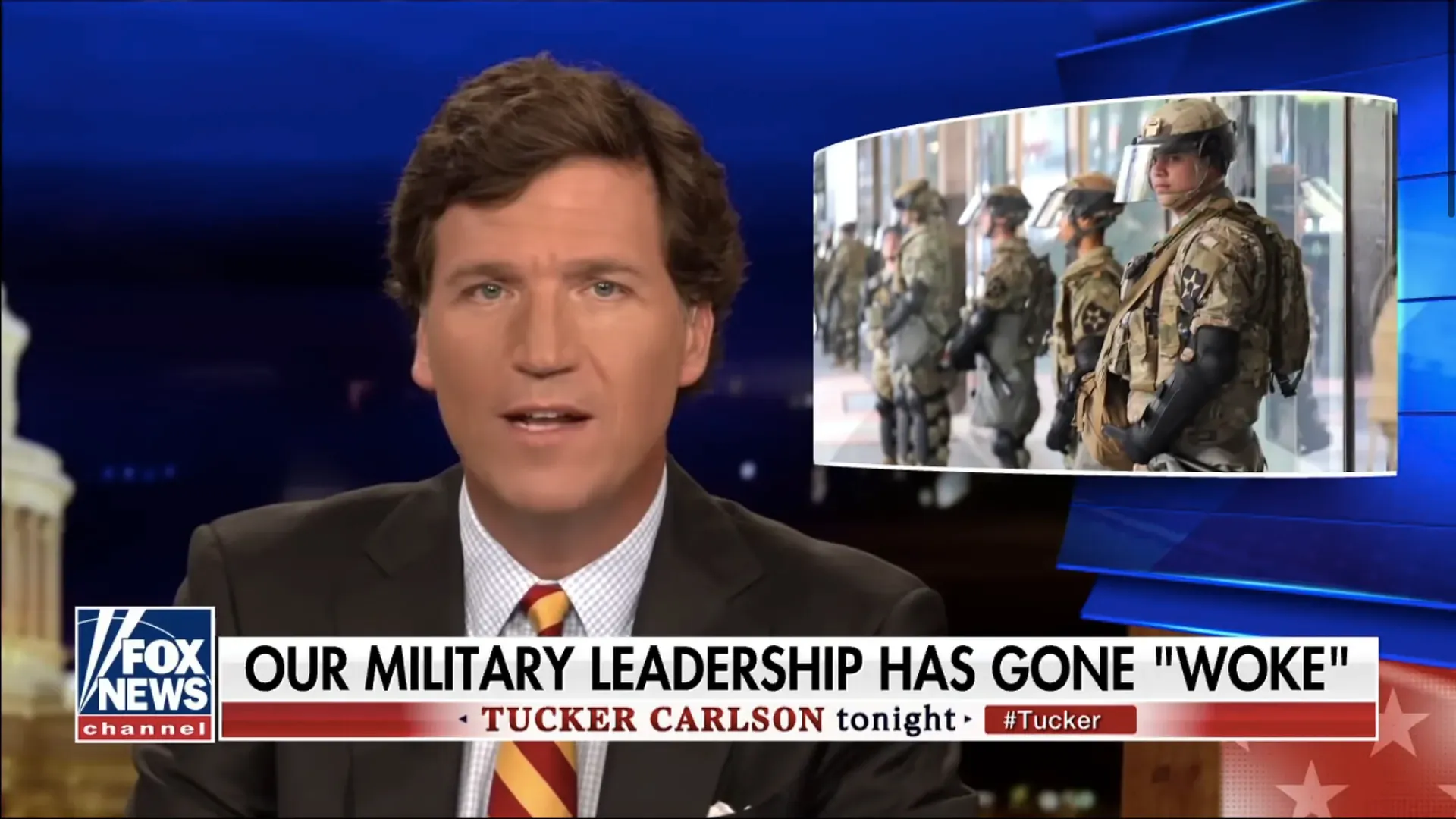
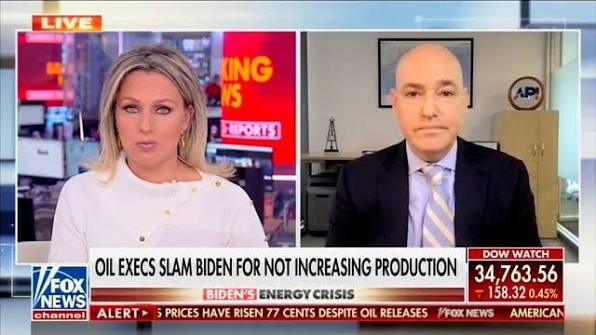
mysterious polarization
The "polarization" lament usually portrays the extremist far right and the "far left" as perfectly balanced on a spectrum of symmetrical ideology, equally responsible for growing U.S. division. This inaccurate framing isn't just a hobby horse of the press; for example check out this recent interview with Comedian Bill Burr:
His critique of extremism on both ends of the political spectrum comes with a particular analysis of recent history.
“The left got really into it at the end of the last decade, and now we’re paying the price,” he notes. “And neither side, both extreme people, they think they’re in the center. And it’s like you guys are both 600 miles out into the weeds.”
And by the "left really got into it" he means a few people advocated for the support of trans people. A few people broadly suggested that men should perhaps rape less. Some young white men were occasionally and lightly scolded in public for using words like "retarded."
How positively extreme.
While there's certainly no shortage of annoying people on the left, there is simply no ideological tent pole on the left equivalent to Trump's masked gestapo shooting Americans in the face, destroying the entire social safety net, or murdering children at scale. The ideologies simply aren't comparable.
If the U.S. press was honest about the fact that the biggest cause of division in the U.S. is right wing extremism (and the movement's unsubtle attack on civil rights, consumer rights, ethics, female reproductive rights, and the rule of law), you might upset advertisers, sources, or white male conservative ownership.
If the U.S. press was honest about the fact that wealth and corporate power actively help fund right wing agitprop to distract the public from the obvious harms of unchecked corporate power, you might see fewer attendees of your industry events, or harm your chances at regulatory megamerger approval.
If musicians, sports leagues, and comedians were honest about the fact that U.S. "partisan animus" or "tribalism" is the overwhelming byproduct of the right wing, they might sell fewer tickets. So instead what you get is a sad and sorry artifice and a lot of poorly-defined whining about a problem they're unwilling to define.
Which is why I found this recent piece by Lilliana Mason in the Journal of Democracy so refreshing:
The problem is not that the parties are divided. The problem is the existential threat that a reempowered ethnonationalist strain poses to pluralistic U.S. democracy writ large. The current level of political animosity is exactly what one would expect to see if an extremist faction attempted to rescind the hard-earned rights of the vast majority of the country’s citizens. The only way to re-oppress most of a country is to use anti-democratic and authoritarian tactics. And the only way to oppose those tactics is to push back as a population and clearly reject them. This is the argument happening in the United States, and its pathology is not anger—it is the movement to undermine a generation of rights.
Wouldn't it be positively fabulous if we had a press capable of effectively and consistently communicating this?
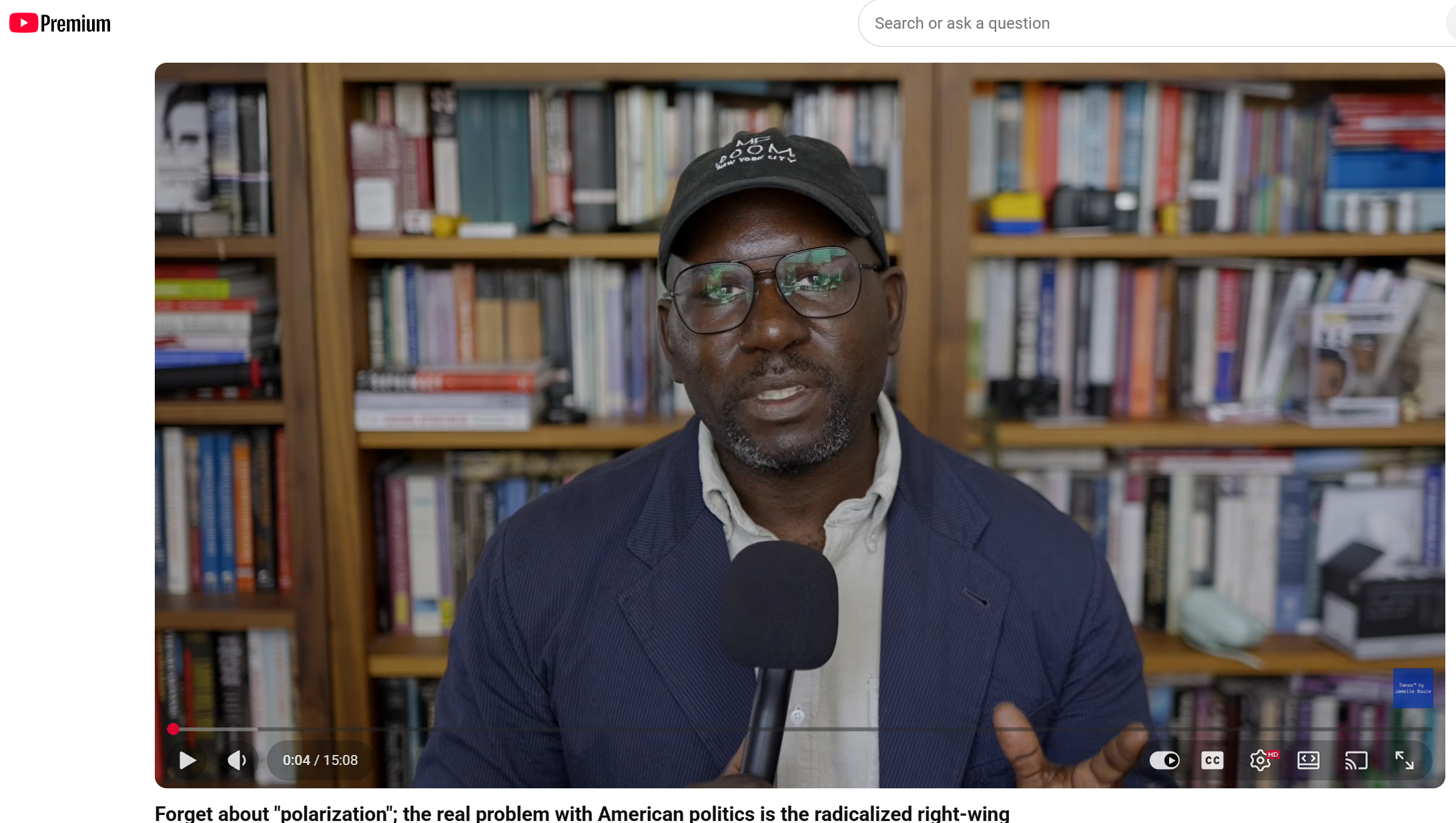
Sometimes we do. New York Times columnist Jamelle Bouie this week had a YouTube video that's worth a watch in which he makes it clear that radicalized right wing extremism is the problem, something most of this colleagues at the Times find impossible to candidly acknowledge:
The New Republic also recently published a useful conversation with Shannon McGregor, an associate professor at the UNC Hussman School of Journalism and Media at the University of North Carolina at Chapel. She makes it clear that the majority of U.S. journalism isn't really interested in solving "polarization":
And if we are solving for things like polarization, and there’s two poles, that sort of makes it seem like the answer then is if both sides move together. But should we move together to reach consensus on whether people should have human and civil rights if they are trans or not white? That doesn’t seem like the small-D democratic answer, right? And so it allows journalists, academics to have this sort of conversation that isn’t really a conversation about politics and power.
The establishment press doesn't want to have a real conversation about the real contours of U.S. politics and power because that's simply not of interest to the affluent folks that increasingly control a consolidated, ad-based media.
So instead you get silly journalistic simulacrum, driven by the establishment press' love of the "view from nowhere" – or the attempt to frame literally everything through a lense of artificial objectivity and pseudo-balance – simply because existing media power structures find honesty to be a financial risk.